

In a world where wellness trends come and go, one truth remains: the foundation of a healthier life lies in the food we choose to nourish ourselves. This insightful journey into the realm of nutrition reveals ten essential nutritionist food highly recommended for unlocking optimal wellness. With each bite, you can make a powerful choice that not only fuels your body but also supports your physical and mental well-being. From vibrant fruits bursting with antioxidants to nutrient-dense greens that promote vitality, the right foods can transform your health. Whether you’re seeking to boost your energy, enhance your mood, or simply feel more vibrant, these ten nutritional powerhouses are here to guide you. Dive into this guide and discover how incorporating these essential foods into your diet can lead to lasting changes and help you thrive. Embrace the delicious path to wellness—it’s time to elevate your eating habits for a healthier, more vibrant you!
The Role of Nutritionists in Promoting Health

In a world bustling with fast food options and fad diets, the role of nutritionists has never been more critical. Nutritionists are healthcare professionals who specialize in the science of food and nutrition. They provide guidance on what to eat to lead a healthier lifestyle or achieve specific health-related goals. Their expertise helps individuals make informed choices about their diets, which is essential in preventing chronic diseases, managing weight, and promoting overall well-being. By understanding the nutrients our bodies need, nutritionists can tailor dietary plans that align with individual health profiles and lifestyle preferences.
Nutritionists are not just diet planners; they are educators who empower people with knowledge about the profound impact of food on health. Through consultations, workshops, and community programs, they disseminate vital information on how dietary habits influence physical and mental health. This education helps bridge the gap between scientific research and practical application, enabling people to make healthier choices in their daily lives. The guidance provided by nutritionists goes beyond mere calorie counting; it encompasses a holistic approach to eating that nurtures the body, mind, and soul.
Moreover, nutritionists play a pivotal role in public health by advocating for better food policies and practices. They work with schools, workplaces, and government bodies to promote nutritious options and create environments that support healthy eating habits. By influencing food policies and community practices, nutritionists help to transform the food landscape, making it easier for individuals to access and enjoy healthy foods. Their efforts contribute significantly to the prevention of nutrition-related diseases and the promotion of a healthier society.
The Science Behind Food Choices

The science behind food choices is rooted in understanding how different nutrients affect the body. Carbohydrates, proteins, fats, vitamins, and minerals each play unique roles in maintaining health and preventing disease. Carbohydrates provide energy, proteins are essential for growth and repair, fats support cell function, and vitamins and minerals are crucial for various biochemical processes. A balanced diet that includes a variety of these nutrients is fundamental to achieving optimal health. Nutritionists emphasize the importance of whole, unprocessed foods that are rich in these essential nutrients, as they offer a more balanced and sustainable source of nourishment compared to processed foods.
Research has shown that certain foods possess powerful health benefits due to their nutrient density and bioactive compounds. For instance, antioxidants found in fruits and vegetables can protect the body against oxidative stress and inflammation, which are linked to chronic diseases such as heart disease, diabetes, and cancer. Omega-3 fatty acids, found in fatty fish and certain plant oils, have been shown to reduce inflammation and support heart health. Fermented foods, like yogurt and kimchi, contain probiotics that promote a healthy gut microbiome, which is essential for digestion, immunity, and even mental health.
Understanding the science behind food choices also involves recognizing the impact of dietary patterns on long-term health. Studies have demonstrated that diets rich in plant-based foods, whole grains, lean proteins, and healthy fats are associated with lower risks of chronic diseases and improved longevity. Conversely, diets high in processed foods, refined sugars, and unhealthy fats are linked to increased risks of obesity, metabolic syndrome, and other health issues. By making informed food choices based on scientific evidence, individuals can take proactive steps towards enhancing their health and well-being.
Essential Food 1: Leafy Greens

Leafy greens, such as spinach, kale, and Swiss chard, are nutritional powerhouses that offer an array of health benefits. These vegetables are rich in vitamins A, C, and K, as well as folate, iron, and calcium. The high vitamin K content in leafy greens is particularly beneficial for bone health, as it helps in the regulation of calcium and promotes bone mineralization. Additionally, the antioxidants present in these greens help to neutralize free radicals in the body, reducing the risk of chronic diseases and protecting against cellular damage.
Incorporating leafy greens into your diet can also support heart health. They are an excellent source of dietary nitrates, which have been shown to improve arterial function and reduce blood pressure. The fiber content in leafy greens aids in lowering cholesterol levels and promoting a healthy digestive system. Furthermore, the presence of folate, a B-vitamin, plays a crucial role in reducing the risk of cardiovascular diseases by helping to maintain healthy levels of homocysteine, an amino acid linked to heart disease.
Beyond their physical health benefits, leafy greens contribute to mental well-being as well. The high levels of antioxidants and anti-inflammatory compounds found in these vegetables can have a positive impact on brain health. Studies have suggested that regular consumption of leafy greens may help to slow cognitive decline and improve memory function. By adding a variety of leafy greens to your meals, you can enhance both your physical and mental health, making them an essential component of a balanced diet.
Essential Food 2: Berries

Berries, including blueberries, strawberries, raspberries, and blackberries, are not only delicious but also packed with nutrients that support overall health. These fruits are rich in antioxidants, particularly anthocyanins, which give them their vibrant colors. Antioxidants help to combat oxidative stress and inflammation in the body, which are linked to numerous chronic diseases. Consuming a variety of berries can provide a wide range of these beneficial compounds, offering protection against conditions such as heart disease, cancer, and age-related cognitive decline.
The high fiber content in berries is another reason why they are highly recommended by nutritionists. Fiber is essential for maintaining a healthy digestive system, as it aids in regular bowel movements and prevents constipation. It also helps to regulate blood sugar levels by slowing the absorption of sugar into the bloodstream, making berries an excellent choice for individuals with diabetes or those looking to manage their weight. Additionally, the fiber in berries can promote a feeling of fullness, reducing overall calorie intake and aiding in weight management.
Berries also support heart health through their ability to improve cholesterol levels and reduce blood pressure. The polyphenols found in these fruits have been shown to increase levels of good HDL cholesterol while lowering levels of bad LDL cholesterol. Furthermore, the potassium content in berries helps to balance sodium levels in the body, reducing the risk of hypertension. By incorporating a variety of berries into your diet, you can enjoy their sweet, tangy flavors while reaping numerous health benefits that contribute to overall wellness.
Essential Food 3: Nuts and Seeds

Nuts and seeds are nutrient-dense foods that provide a wealth of health benefits. Almonds, walnuts, chia seeds, and flaxseeds are just a few examples of these powerful foods that are rich in healthy fats, protein, fiber, vitamins, and minerals. The healthy fats, particularly omega-3 and omega-6 fatty acids, found in nuts and seeds are essential for heart health. These fats help to reduce inflammation, lower bad cholesterol levels, and improve overall cardiovascular function. Including a variety of nuts and seeds in your diet can support heart health and reduce the risk of heart disease.
Protein is another important nutrient found in nuts and seeds, making them an excellent plant-based protein source for vegetarians and vegans. Protein is crucial for building and repairing tissues, supporting immune function, and maintaining muscle mass. The combination of protein and healthy fats in nuts and seeds also helps to promote satiety, keeping you feeling full and satisfied between meals. This can aid in weight management and prevent overeating, contributing to a healthier lifestyle.
In addition to healthy fats and protein, nuts and seeds are packed with vitamins and minerals such as vitamin E, magnesium, and zinc. Vitamin E is a powerful antioxidant that helps to protect cells from damage and supports skin health. Magnesium is essential for muscle and nerve function, blood sugar regulation, and bone health. Zinc plays a vital role in immune function and wound healing. By incorporating a variety of nuts and seeds into your diet, you can ensure that you are getting a broad spectrum of these essential nutrients, promoting overall health and well-being.
Essential Food 4: Whole Grains
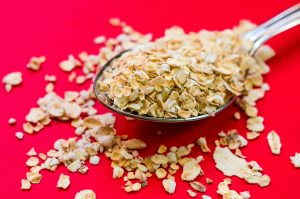
Whole grains, such as quinoa, brown rice, oats, and whole wheat, are an integral part of a healthy diet. Unlike refined grains, whole grains contain all three parts of the grain kernel: the bran, germ, and endosperm. This means they retain more nutrients, including fiber, vitamins, minerals, and antioxidants. The fiber content in whole grains is particularly beneficial for digestive health, as it helps to promote regular bowel movements and prevent constipation. It also aids in maintaining a healthy weight by promoting a feeling of fullness and reducing overall calorie intake.
Whole grains are also known for their ability to support heart health. The fiber, antioxidants, and other bioactive compounds found in these grains help to lower cholesterol levels, reduce inflammation, and improve blood vessel function. Studies have shown that a diet rich in whole grains is associated with a lower risk of heart disease, stroke, and type 2 diabetes. By choosing whole grains over refined grains, you can significantly enhance your cardiovascular health and reduce the risk of chronic diseases.
In addition to their physical health benefits, whole grains can also support mental well-being. The B-vitamins found in whole grains, such as thiamine, riboflavin, and niacin, play a crucial role in brain function and energy production. These vitamins help to convert food into energy, support the nervous system, and maintain cognitive function. By incorporating a variety of whole grains into your diet, you can enjoy their delicious flavors and textures while reaping the numerous health benefits they offer.
Essential Food 5: Fatty Fish

Fatty fish, such as salmon, mackerel, sardines, and trout, are highly recommended by nutritionists for their exceptional health benefits. These fish are rich in omega-3 fatty acids, which are essential for heart health. Omega-3s help to reduce inflammation, lower blood pressure, decrease triglyceride levels, and improve overall cardiovascular function. Regular consumption of fatty fish has been linked to a lower risk of heart disease, stroke, and other cardiovascular conditions. By including fatty fish in your diet, you can support your heart health and reduce the risk of chronic diseases.
In addition to their heart health benefits, omega-3 fatty acids found in fatty fish are also crucial for brain health. These healthy fats support cognitive function, improve memory, and reduce the risk of neurodegenerative diseases such as Alzheimer’s. The anti-inflammatory properties of omega-3s can also help to alleviate symptoms of depression and anxiety, promoting overall mental well-being. By incorporating fatty fish into your diet, you can nourish your brain and support mental health.
Fatty fish are also an excellent source of high-quality protein, which is essential for muscle growth, repair, and overall body function. Protein is crucial for maintaining muscle mass, especially as we age, and supports immune function, hormone production, and enzyme activity. Additionally, fatty fish are rich in vitamins and minerals such as vitamin D, selenium, and iodine, which play vital roles in bone health, immune function, and thyroid regulation. By including a variety of fatty fish in your diet, you can enjoy their delicious flavors while reaping the numerous health benefits they offer.
Essential Food 6: Fermented Foods

Fermented foods, such as yogurt, kefir, sauerkraut, kimchi, and miso, are highly valued by nutritionists for their probiotic content and health benefits. Probiotics are beneficial bacteria that support a healthy gut microbiome, which is essential for digestion, immunity, and overall well-being. The gut microbiome plays a crucial role in nutrient absorption, production of vitamins, and protection against harmful pathogens. By incorporating fermented foods into your diet, you can promote a healthy balance of gut bacteria and support digestive health.
The benefits of fermented foods extend beyond gut health. Research has shown that a healthy gut microbiome is linked to improved immune function, reduced inflammation, and better mental health. The gut-brain axis, a communication network between the gut and the brain, plays a significant role in mood regulation and cognitive function. Consuming fermented foods can help to enhance this communication, potentially reducing symptoms of anxiety and depression and improving overall mental well-being.
Fermented foods are also rich in vitamins, minerals, and bioactive compounds that support overall health. For example, yogurt is an excellent source of calcium and vitamin D, which are crucial for bone health. Sauerkraut and kimchi are rich in antioxidants and vitamins C and K, which support immune function and promote healthy skin. By incorporating a variety of fermented foods into your diet, you can enjoy their unique flavors and textures while reaping the numerous health benefits they offer.
Conclusion: Embracing a Healthier Lifestyle through Nutrition
Embracing a healthier lifestyle through nutrition is a journey that involves making informed food choices and incorporating a variety of nutrient-dense foods into your diet. The ten essential foods highlighted in this guide—leafy greens, berries, nuts and seeds, whole grains, fatty fish, and fermented foods—are nutritional powerhouses that offer a wealth of health benefits. By including these foods in your daily meals, you can support your physical and mental well-being, reduce the risk of chronic diseases, and enhance your overall quality of life.
It’s important to remember that achieving optimal wellness is not about restrictive diets or quick fixes, but rather about making sustainable changes to your eating habits. By focusing on whole, unprocessed foods and incorporating a diverse range of nutrient-rich options, you can create a balanced and enjoyable diet that supports long-term health. Listening to your body’s needs, practicing mindful eating, and staying informed about the latest nutrition research can further enhance your journey towards wellness.
As you embark on this path to a healthier lifestyle, consider seeking the guidance of a nutritionist who can provide personalized advice and support based on your individual health goals and needs. Their expertise can help you navigate the complex world of nutrition and make choices that align with your values and preferences. Embrace the delicious path to wellness, and discover the transformative power of food in unlocking optimal health and vitality.