
10 Proven Nutrition Tips For Energy and To Feel Your Best Every Day
Boost Energy Naturally: 10 Daily Nutrition Tips For Energy| BREES NUTRITION

Key Takeaways –

Nutrition Tips For Energy
-
Learn simple, science-backed nutrition strategies to improve daily energy.
-
Avoid energy crashes caused by poor eating habits.
-
Includes tips for busy professionals, students, and athletes.
1. Start Your Day with a Balanced Breakfast –
Nutrition Tips For Energy

Skip the sugar rush! Instead of a quick fix like cereal or toast, choose a meal with protein, healthy fats, and complex carbs.
Example:
Oats + Greek yogurt + berries + chia seeds.
Why: Keeps blood sugar stable and fuels you for hours.
2. Stay Hydrated All Day

Even mild dehydration can cause fatigue, poor concentration, and mood dips.
Tip: Aim for at least 2 liters (8 glasses) of water daily. Add electrolytes or a slice of lemon for taste and extra minerals.
3. Cut the Sugar and Simple Carbs

Foods like pastries, white bread, and soda cause blood sugar spikes, followed by a crash that zaps your energy.
✅ Choose whole grains, sweet potatoes, brown rice, and fruits instead.
4. Don’t Skip Meals

Skipping meals leads to low blood sugar, which means less fuel for your brain and muscles.
Tip: Eat every 3–5 hours. Include snacks with protein + fiber (e.g., apple with peanut butter).
5. Add More Iron-Rich Foods

Low iron = low energy, especially for women.
Best sources: Red meat, spinach, lentils, pumpkin seeds.
Pair with vitamin C-rich foods to enhance absorption.
6. Prioritize Protein at Every Meal

Protein slows digestion and helps maintain steady energy levels.
Include: Eggs, tofu, beans, chicken, tempeh, or protein smoothies.
7. Limit Caffeine to Before Noon
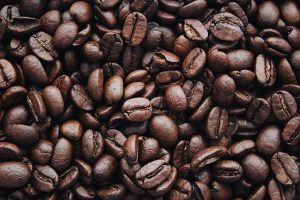
Relying on coffee late in the day can affect your sleep and leave you feeling more tired tomorrow.
☕ 1–2 cups in the morning is enough. Try herbal teas in the afternoon.
8. Watch Your Gut Health

A healthy gut = better nutrient absorption = more energy.
Include:
-
Probiotics (yogurt, kefir, sauerkraut)
-
Prebiotics (bananas, garlic, oats)
9. Get Enough Magnesium

Magnesium helps your body convert food into energy and reduce muscle fatigue.
Sources: Dark leafy greens, nuts, seeds, whole grains, avocado.
10. Eat Mindfully

Slow down and avoid eating on the go. Mindful eating can improve digestion and prevent overeating (which can lead to sluggishness).
✨ Tip: Focus on your food, chew well, and eat without distractions.
Extra Energy Boosters:

-
Move regularly: Even a 10-minute walk can spike your energy.
-
Sleep well: 7–9 hours every night.
-
Practice stress management: Chronic stress depletes your energy stores.
FAQs –

Nutrition Tips For Energy
Q: What’s the best snack for all-day energy?
A: Try hummus with veggie sticks or a boiled egg with a handful of almonds.
Q: Can I rely on energy drinks?
A: Occasionally, yes. But long-term, they lead to crashes and dependency. Food first is the best policy.
Q: How do I know if poor nutrition is making me tired?
A: Frequent energy dips, mood swings, and sugar cravings are common signs. A nutritionist can help you assess your intake.
Final Thoughts
Eating for energy isn’t just about cutting sugar or drinking more water — it’s about balancing your meals, choosing nutrient-dense foods, and staying consistent.
Need help building a personalized energy-boosting plan?
Book a free 15-minute nutrition consult today!

3 Easy Nutrition Tips to Boost Energy Naturally
Feeling tired all the time? Your diet might be the reason. Try these simple nutrition strategies to fight fatigue and feel energized—all day, every day.
1. Eat More Whole Foods
Skip processed snacks and go for whole, energy-rich foods like oats, quinoa, fruits, veggies, and nuts. They release energy slowly and keep blood sugar steady.
2. Don’t Skip Protein
Protein isn’t just for muscles—it helps prevent energy crashes. Add eggs, Greek yogurt, lentils, or lean meats to your meals.
3. Stay Hydrated
Even mild dehydration can make you feel drained. Aim for 2 liters of water daily. Add lemon or cucumber for a refreshing twist.
✨ Pro Tip: Feeling tired after meals? You might be low on iron or magnesium—speak to a nutritionist for personalized advice.
Need help with your diet?
[Book a free 15-minute consultation today.] Contact Me – Bree’s Nutrition
